What should you be eating? What is a healthy diet? How can you aim to have a healthy eating plan? How does your diet affect your health?
With so much contradicting advice, it is more and more difficult to know what to eat. Always a new fad or diet to confuses us of what we really should be eating.
One week gluten is good, the next it is bad. By the time you change all your pasta and bread over to gluten free versions- keto diet is the next recommendation! With all the chopping and changing what is a sustainable habit for an overall better level of health.
Diets: Why They Are a No Go!
- Yes, dieting in the short term may help you loose weight.
- No, dieting for the short term will not help you keep the weight off.
- No, dieting plans are not sustainable
- Yes, dieting will actually make you put on more weight in the long run.
With dieting you restrict your intake and consume less calories and energy. Initially this can lead to weight loss. But your body get used to the energy and calorie restriction. Your metabolism changes to require less calorie input, so weight loss will stagger. Additionally, as dieting is often restrictive is unsustainable and short term. When you go back to previous eating habits, your body is used to less energy requirements. Excess energy will then be converted to fat and will lead to putting the weight back on and possibly more. That is why dieting is a big no but creating a healthy eating plan for a sustainable healthy lifestyle is the recommendation.
Create a sustainable healthy lifestyle rather than a diet.
Eating healthy foods in an enjoyable way, that does not restrict you will lead to long term health improvement. Making simple swaps that don’t feel restrictive will help you stick to your healthy lifestyle.
- Swap soft drink and juice for water
- Swap biscuits for carrot sticks as a snack with dips
- Make your own snacks that you can jam pack with flavor and nutrients
- Add vegetables to stews, pasta’s and curries to increase the nutrient content
- Swap at sugar by adding natural sweeteners. Like fruit to high fiber cereals rather than sprinkling sugar
- Look at recipes and see what ingredient swaps can be made to make it healthier. Can you reduce the fat of the meal?
Water!
The average adult body is 60% water! The brain and lugs are made up of about 73% water and the lungs around 83%. These three body organs are vital for life and depend on water.
We should be aiming to drink 2L of water every day to maintain ultimate health.
2L works out as 8 glasses that are 8 ounces. Easy to remember as the 8X8 rule. Try to put drinking water into your everyday routine and make a habit of it.
- Before breakfast: drinking water before breakfast kick starts your metabolism for the day! And starts your hydration for the day
- Before meals- Drinking a glass of water before meals can increase your sensation of feeling full and help you to stick to portion sizes.
- As you exercise- Sweating and increased energy demands increase your water needs. Depending on your exercise levels and energy demands your water requirements will increase
- On hot days- spending time with sun and sweating can easily lead to dehydration if water intake is not maintained.
Food Tips:
- Eat a wide variety of foods throughout the day. Including proteins, vegetables, fruit, legumes, grain and dairy.
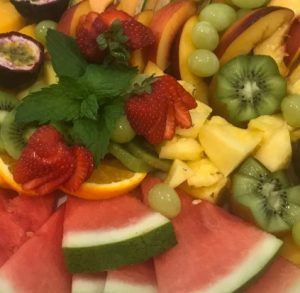
- Aim to make your plate as colorful as possible. With all different fruit and vegetables to increase your vitamin and antioxidant intake.
- Cook it yourself- If you cook meals and snacks from scratch, you are in control. You can monitor the levels of sugar, salt and fats that go into your body. Less preservatives and can increase the fiber and vitamin content buy adding fresh ingredients in.
Meal Prepping:
Prepare your food and meals in advance for the day or week to increase your control over what you eat.
A big reason we stray from a healthy eating plan we create is because of the convenience of grabbing the simple packaged food that is there and ready. Being organized will help you to stick to your health goals. Food prepping is a great way to have accesses to multiple meals for the week whilst only cooking one meal. You can meal prep breakfast, lunch, dinner and snacks.
Having a breakfast that will keep you going for the day will stop you craving for those treats at work or calling at you from the vending machine or store. Having a prepared breakfast that is delicious, healthy and easy to grab and go will stop breakfast skipping. Breakfast skipping increases the risk of snacking all morning.
Meal prepping for lunch can save you money and promote healthy eating. Bringing lunch to work ensures you have a healthy food source to keep you going until work finishes. If lunch is not brought in, there is increased chances of you going to the canteen, café or takeaway store and not having choices that stick to your health eating plan. Bringing your lunch to work also saves you money!